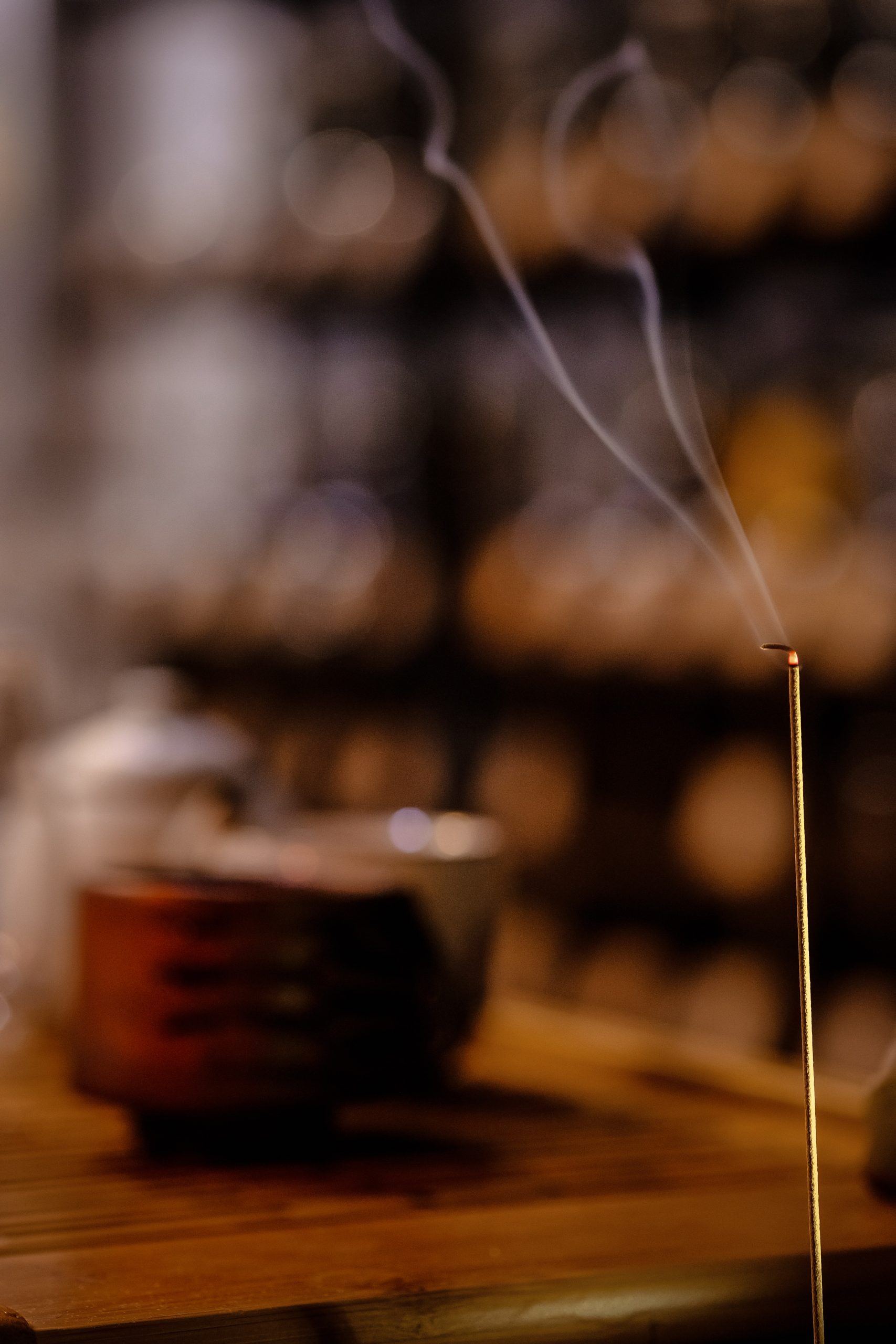

Burning Incense
Making the most of your incense
The story of incense
The English word “incense” comes from the Latin “incendere”, meaning “incendiary” – causing a flame or designed to burn.
From Egypt to Asia, Europe to the Americas, we have been burning natural substances to create beautiful scents since ancient times.
Aromatic botanicals, like frankincense, myrrh, aromatic resins and wood, fruit, flowers, herbs and seeds in the form of incense have been burned for practical, aesthetic and medicinal reasons, and in spiritual rituals and ceremonies by almost every culture we know of.
Our sense of smell is one of our most primal senses, and burning incense can inspire deep relaxation and healing. So it makes sense that incense has been used to help people heal and find balance, peace, and joy throughout the ages.
The modernisation of incense
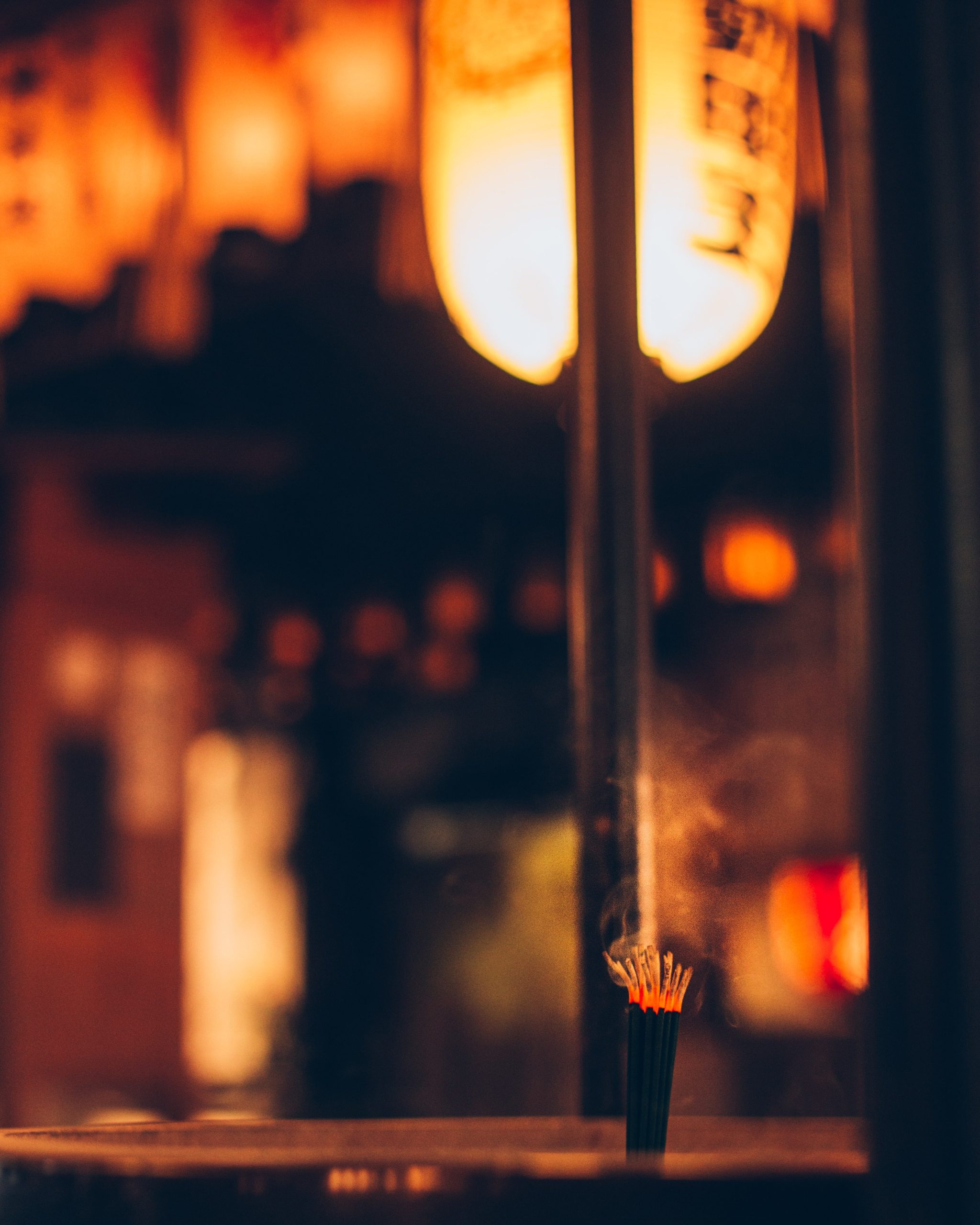
Many modern incenses are made with synthetic, non-natural perfumes and ingredients, which can cause irritation. Incense formed around thin bamboo skewers can also be irritating when burned and produce a lot of smoke. Good ventilation is advised to avoid breathing in the smoke of this style of incense.
The ingredients used in these sticks (agarbatti and dhoop) can also contain harmful chemical fragrances and synthetic materials. Some don’t contain any plant-based aromas, which is especially true for incense produced for the mass export market, where the price is prioritised over quality.
Incense producers are not required to list the ingredients used.
In contrast, Japanese incense has an unparalleled reputation for the quality and purity of ingredients, and is based on over 300 years of incense and herbal knowledge. Recipes used by the oldest incense houses remain as natural and pure as when they were first made hundreds of years ago. We ensure that our incense is produced using only the best ingredients.
Where and how
There are two main types of incense used in Japan: heating small pieces of fragrant wood, or directly burning sticks or cones of incense.
Incense sticks, cones and other shapes are created by mixing the ground ingredients into a paste and forming it into the shapes or sticks that burn very cleanly.
Because the sticks are formed without a central bamboo core, they need to be handled gently.
✓ Decide where you will burn your incense: on your desk while you work, while you meditate, on a table while you entertain friends, etc.
✓ Place your incense stick in a non-flammable incense holder
✓ Light the incense from the top using a match or a lighter
✓ Make sure the tip of the incense it lit by blowing on it
✓ Make sure the burning incense won’t come into contact with anything flammable
✓ Enjoy the fragrance! The healing nature of the incense ends when you can no longer smell it